 Việt Long Trà
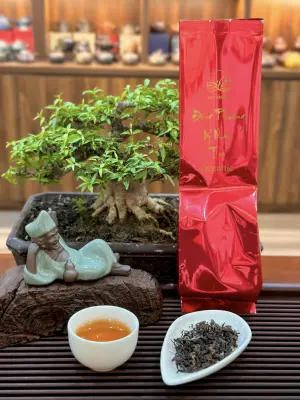
BACH LONG OOLONG TEA
170,000 ₫
3,000,000 ₫
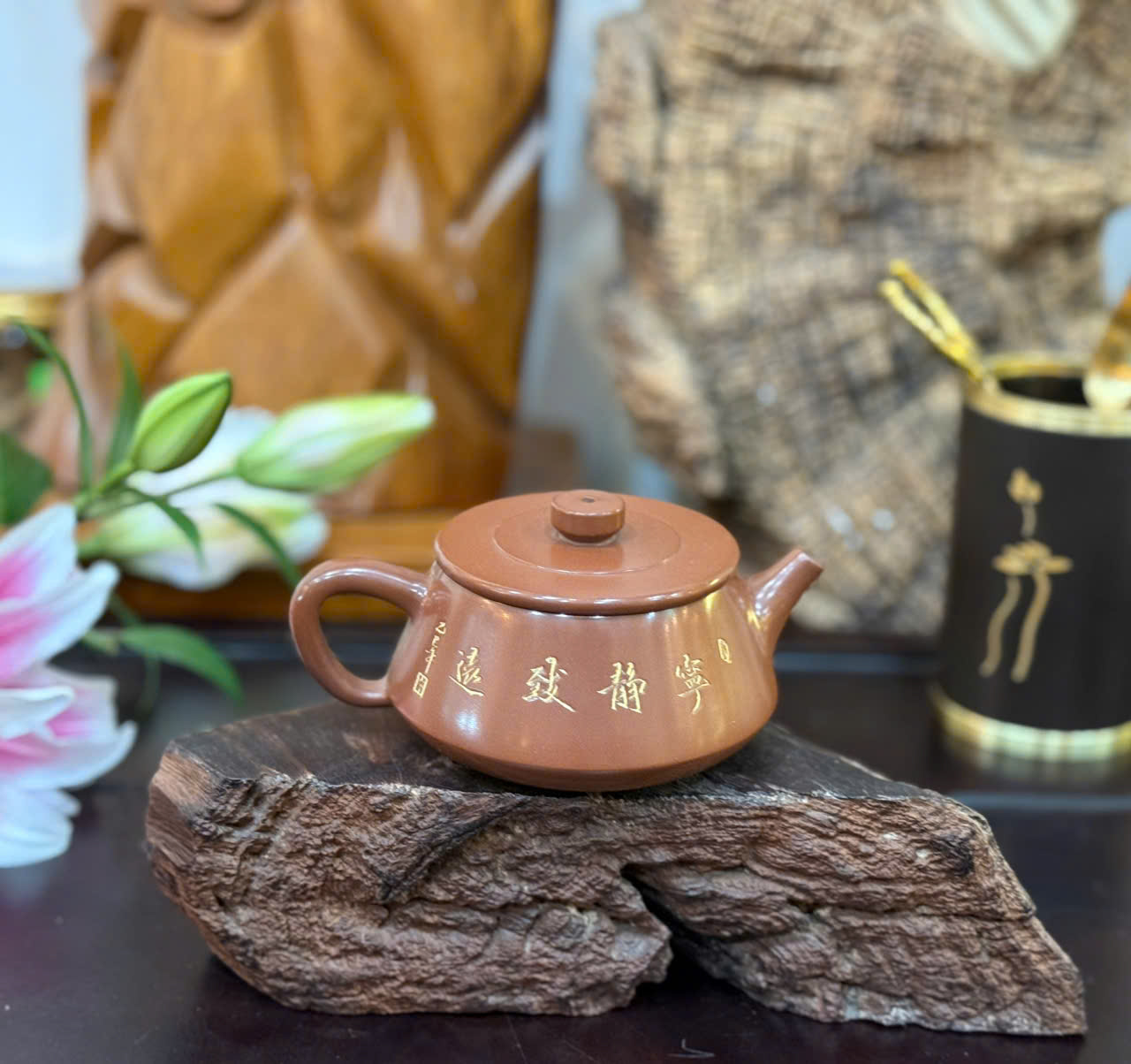
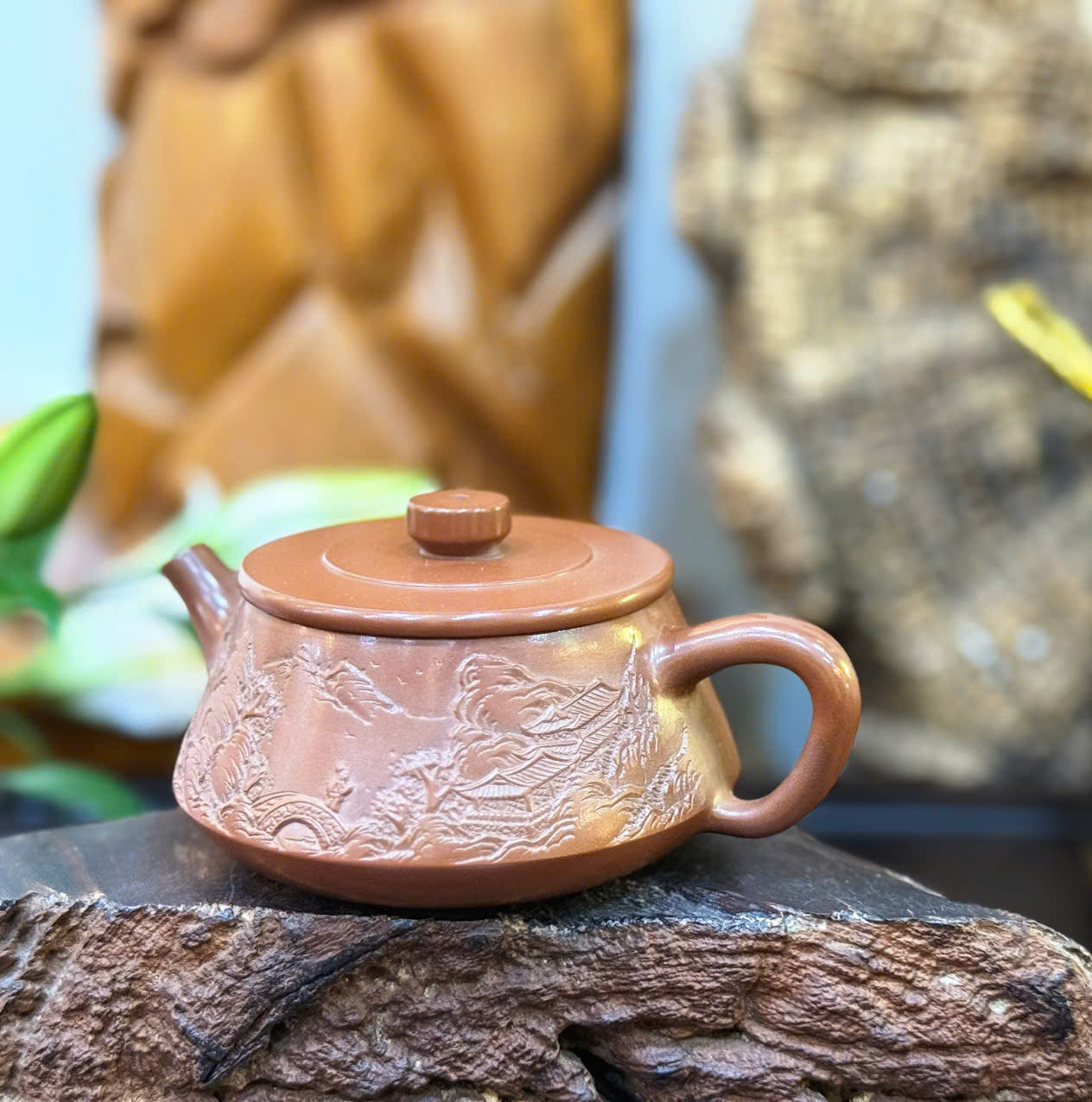
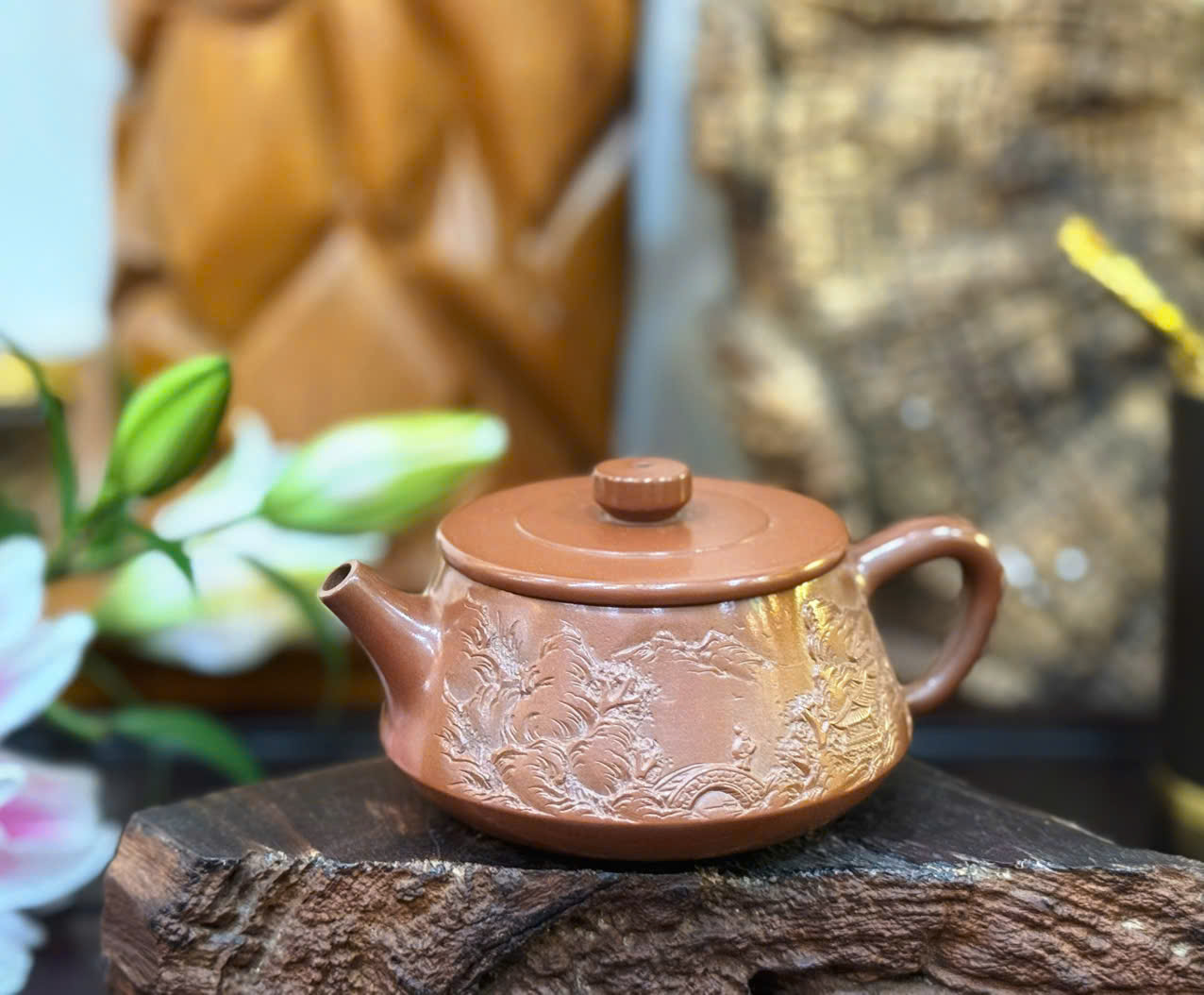
One of the most classic teapot shapes in the world of tea, with a trapezoidal structure: a wide base tapering towards the lid, and a low centre of gravity.
Character: Solid and unassuming in its beauty, yet extremely refined. This shape gives the tea leaves ample room to unfurl completely.
Meaning: It expresses the humility, steadfastness and serene bearing of the tea drinker.
One of China's celebrated "Four Great Potteries", made from the distinctive red and white clay found on the banks of the Qin River.
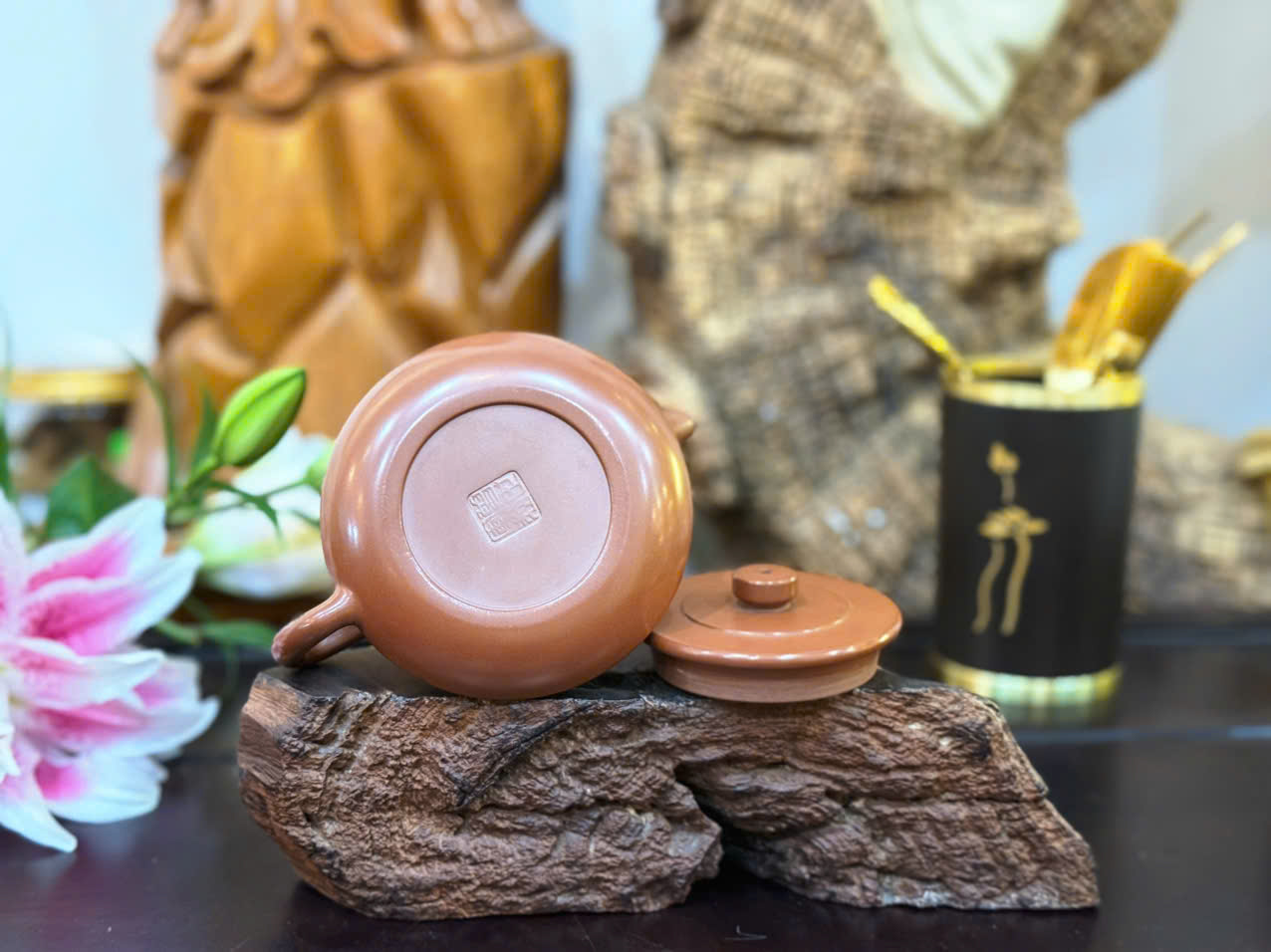
Firing technique: Nixing ceramic uses no glaze; its colour arises naturally through the "kiln transmutation" process (a transformation inside the kiln at temperatures above 1000°C).
Properties: The body is as hard and dense as steel, rings like metal when lightly tapped, has a silky-smooth surface and holds the aroma and flavour of tea exceptionally well.
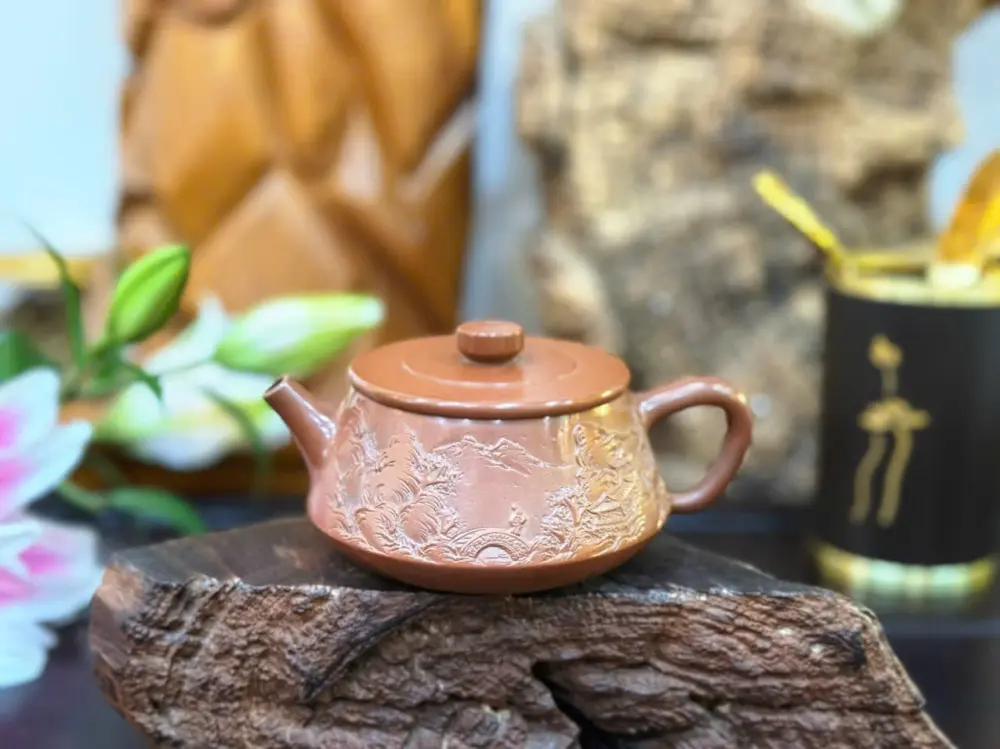
A hallmark of Nixing ceramic is the hand carving done after the piece is formed. Artisans typically carve classical poems, calligraphy or finely worked mountain landscapes.
The decoration usually shows a soft contrast in colour between the carved areas and the surface of the pot, a result of kiln transmutation, which makes every piece unique (no two pots share the same colour patterning).
Compact and elegant in size, particularly well suited to solitary tea drinking (1 person) or tea for two (2 people).
This capacity keeps the tea piping hot and concentrated, and lets the brewer control the steeping precisely.
14 filter holes, drilled by hand with care and generous thickness, inside the spout.
Advantages: Excellent at holding back spent leaves, even broken ones. The pour is strong, round and smooth, making the act of serving tea a pleasure.