 Việt Long Trà
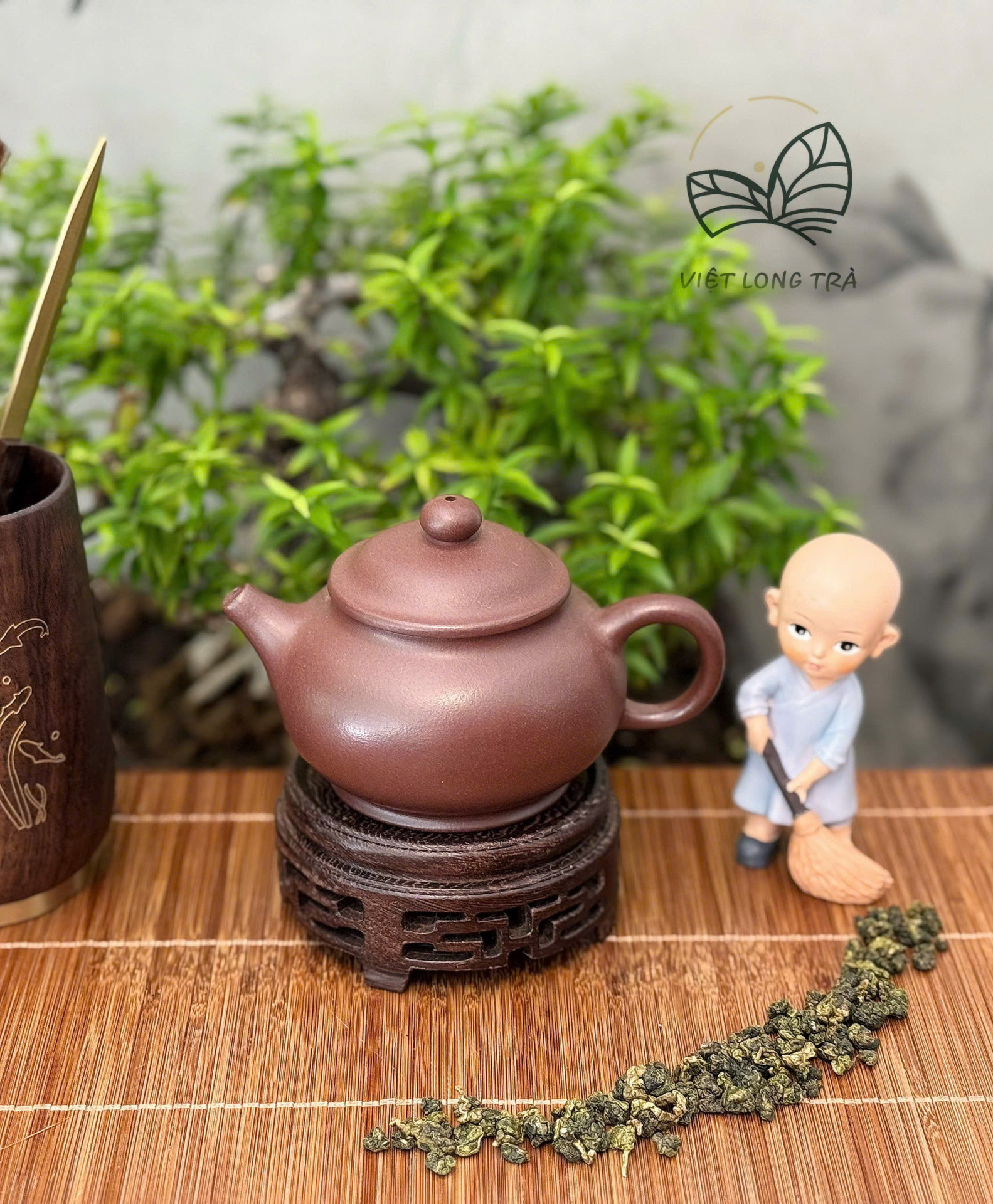
ẤM TỬ SA DUNG THIÊN TỬ NÊ
800,000 ₫
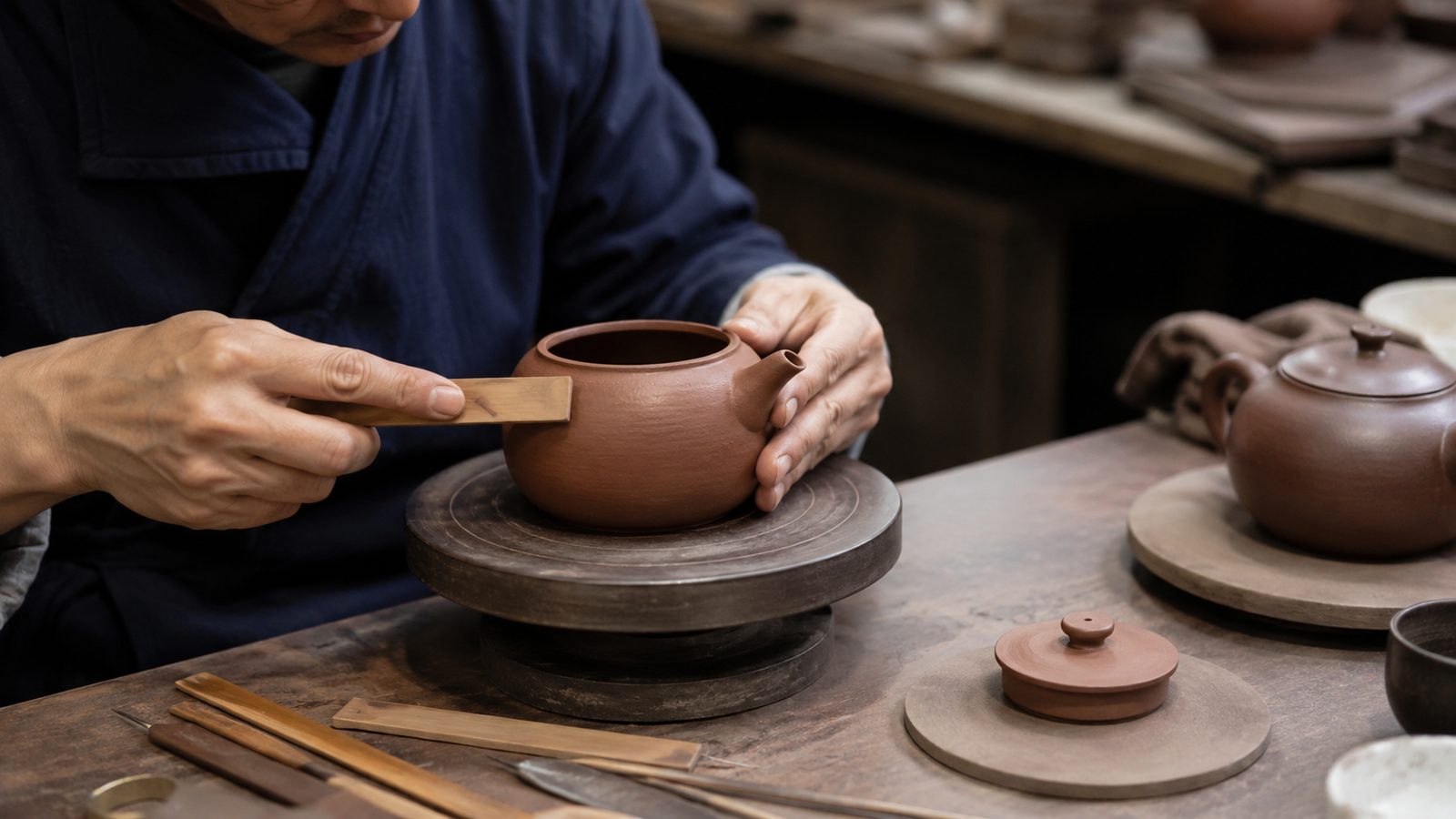
· 5 min read · Việt Long Trà
The same tea, brewed in two different pots, gives you two different cups. Not because one pot cost more, but because of the clay it is made from.
Zisha pots and unglazed ceramic pots are left bare: the clay surface is never sealed, so the wall holds heat and takes on the tea over the years. That is why experienced drinkers choose a pot by its clay first, and by its shape second.
Zi Ni is the most common clay in the zisha family, and the most forgiving. A deep purple-brown, with moderate breathability: it neither pushes the aroma too hard nor swallows it.
If you are starting out and intend to own a single pot, this is the safe choice — it brews almost anything without ruining anything. Being common, it also spans the widest price range, from an everyday pot to an artisan's work.
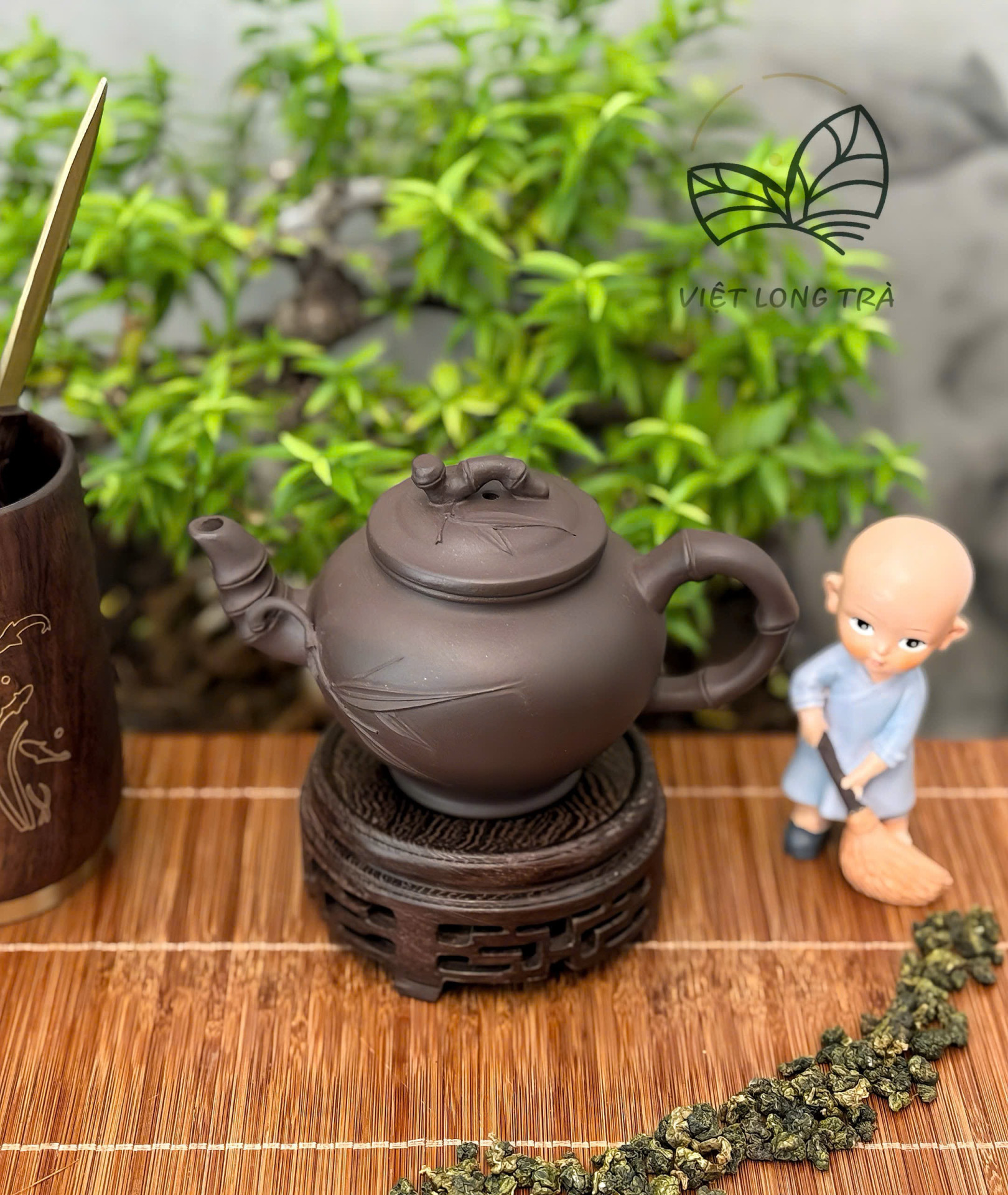
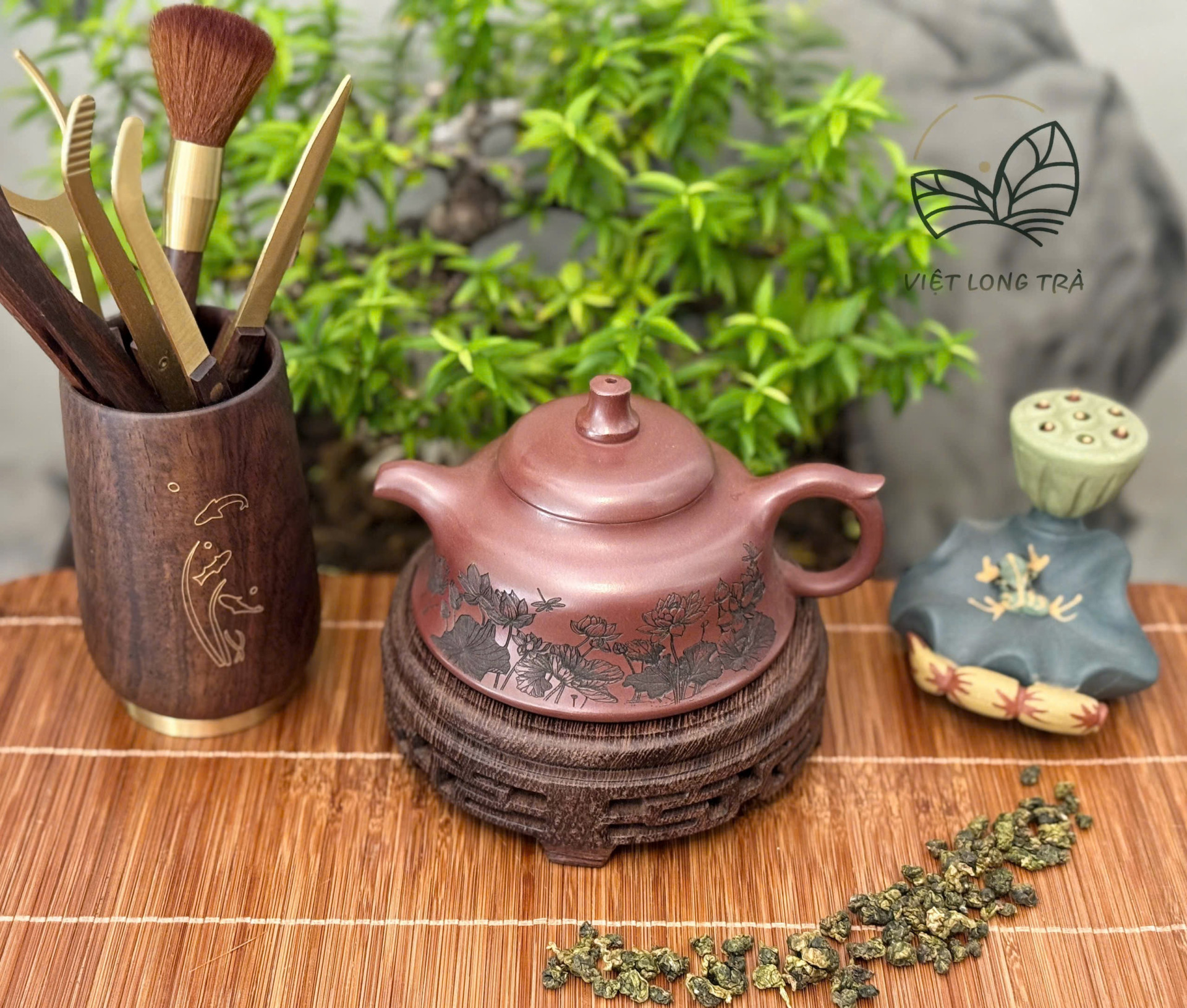
Duan Ni is markedly paler — ivory, buff, sometimes greyish. The clay is more porous, and the sand grain shows clearly up close.
What makes Duan Ni interesting is that it changes the most visibly over time: the more you use it, the more colour it takes on. The pale ground makes every change easy to see, so this is the clay for someone who wants to watch a pot darken year by year. In exchange, a Duan Ni pot wants regular use and a clean rinse after every brew.
Zhu Ni is high in iron and comes out of the kiln a bright red-orange, smooth, often with a faint natural sheen. The clay shrinks a great deal during firing, so Zhu Ni pots tend to be small and more of them fail in the kiln — which is why you rarely see one in a large capacity.
The wall is dense and less breathable than Zi Ni, so Zhu Ni keeps the aroma high. This is the clay for fragrant teas: oolong, dancong — the ones where you want to keep the aroma intact rather than round it off.
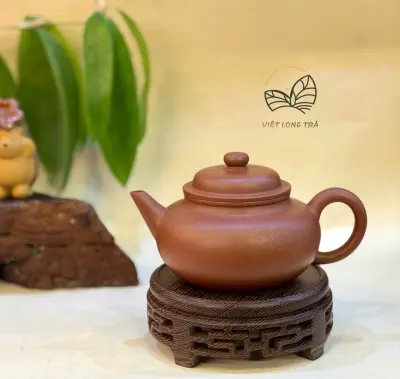
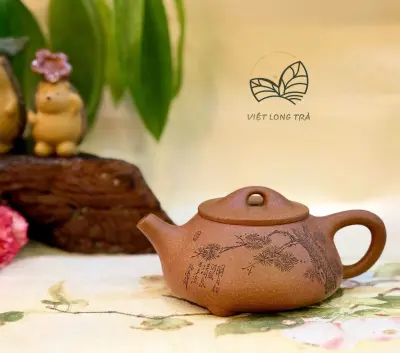
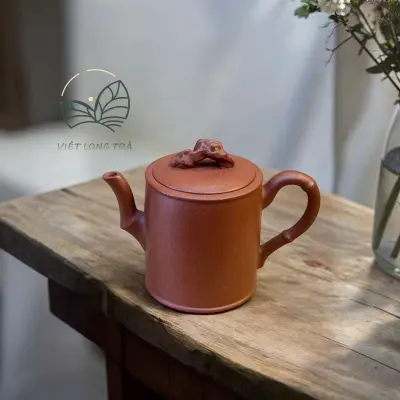
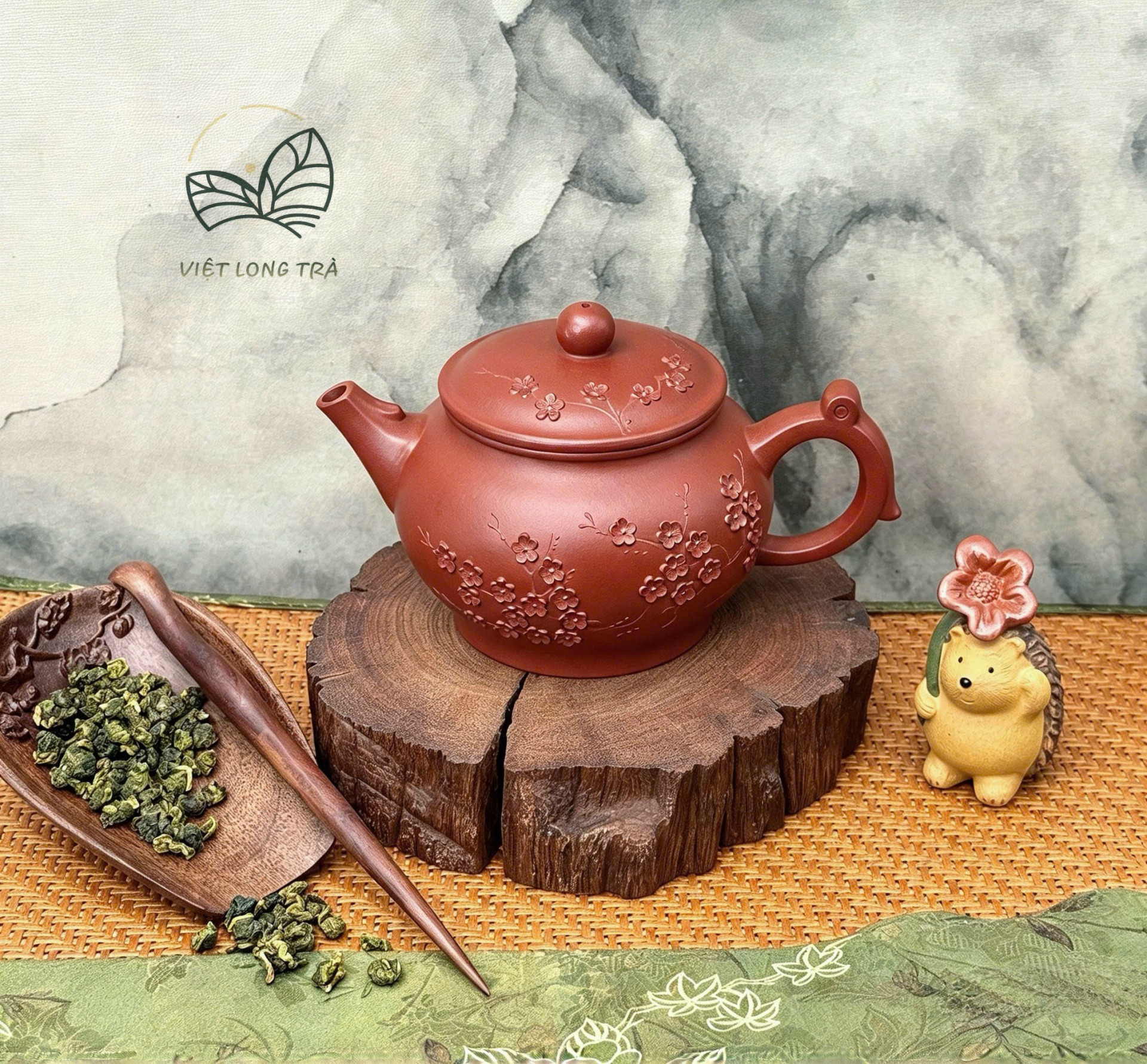
Da Hong Bao is a red clay prized for its colour: deep, warm, quieter than the bright orange of Zhu Ni.
As our own product descriptions put it, Da Hong Bao clay has good breathability, and suits oolong, Tie Guan Yin, yancha and pu-erh. That is a wide span — from fragrant teas to ones with a thick, lingering finish — so if you drink across several styles, this clay is worth considering.
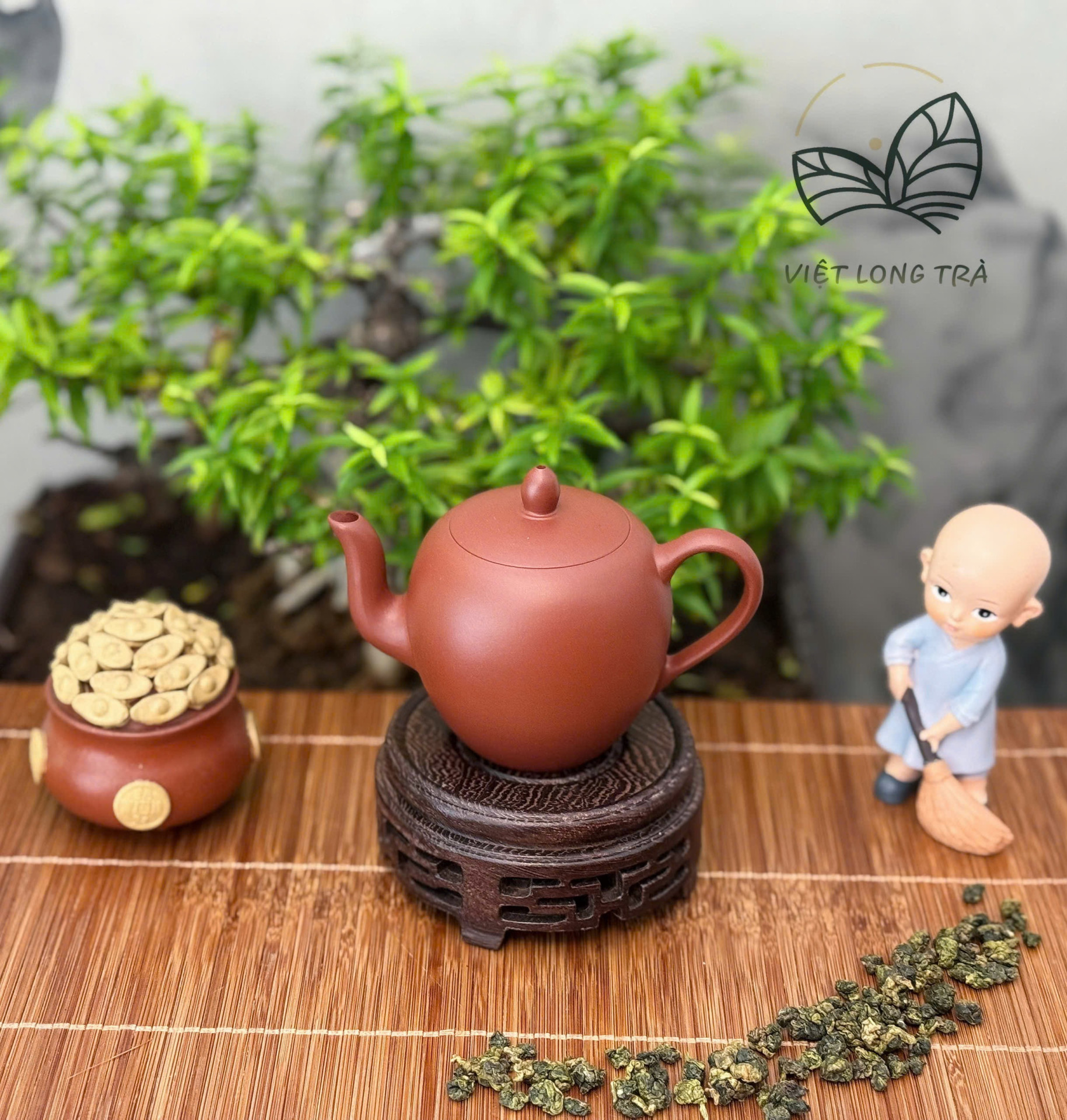
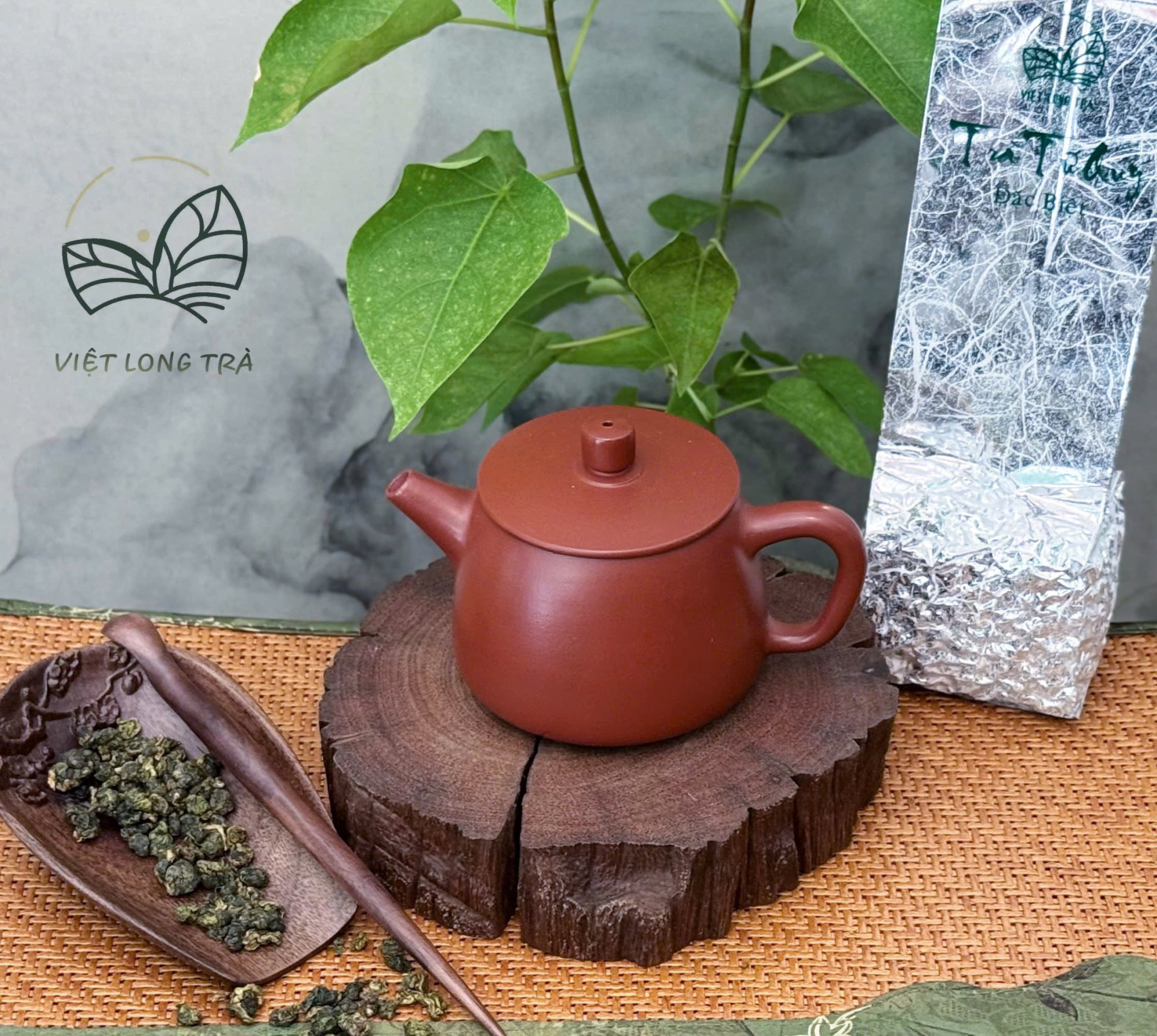
Nixing does not belong to the Yixing zisha family at all. The clay comes from Qinzhou in Guangxi, and Qinzhou Nixing ware is counted among China's "Four Great Famous Ceramics".
Nixing pots carry no glaze; after firing they are polished, which gives the surface its own quiet lustre and a stone-smooth feel. The clearest mark of the clay is kiln transmutation — the colour shifts in the fire, so no two pots come out alike. If you want a plain pot that no one else has, start here.
Every clay needs time before it looks its best. A few basics:
Choosing the right clay is the first step. The rest is a few years of sitting down to brew.